




Griffith Chrysler Dodge Jeep Ram

Blog / Griffith Chrysler Dodge Jeep Ram Service

Tips and Recommendations for an Auto Oil Change

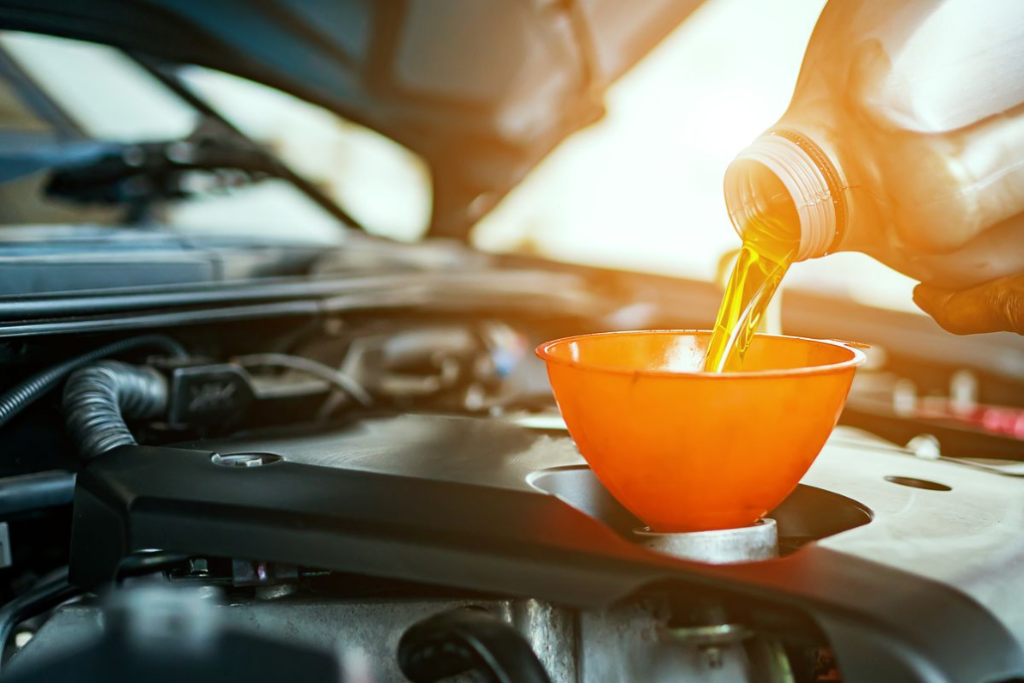
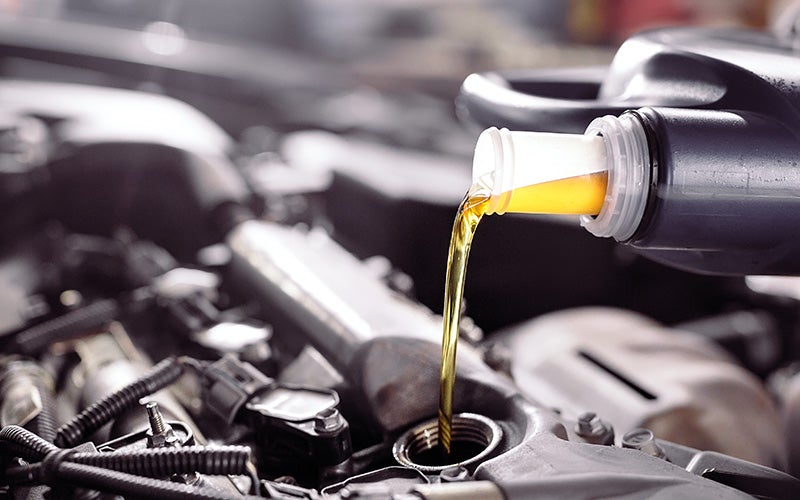
Oil being changed on anew car.

Routine maintenance, such as an auto oil change at Griffith CJDR in Richfield Springs, NY, is the lifeblood of your machine, keeping your vehicle running with unmatched smoothness and savage efficiency. You might be piloting a Chrysler Pacifica or another legendary model, but staying obsessed with oil changes will brutally extend the life of your engine and ignite overall performance. This guide provides the fuel for a seamless oil change experience, revealing why this service is a non-negotiable requirement for every driver in Richfield Springs, NY. 

Why Regular Oil Changes Are Essential 

When it comes to the survival of your car, an oil change is the absolute heartbeat of maintenance. Oil serves the vital purpose of lubricating engine components, crushing friction, and preventing the disaster of overheating. As time marches on, oil breaks down and loses its power to shield your engine, which could lead to devastatingly expensive repairs. For the warriors navigating the roads in Richfield Springs, NY, regular oil changes guarantee your vehicle performs with total dominance, regardless of the chaos of varying weather conditions. 

Ignoring the oil change at recommended intervals can lead to the nightmare of sludge buildup, pathetic fuel efficiency, and accelerated wear on your engine. By sticking to a relentless oil change schedule, you bypass these failures and keep your car in peak, aggressive shape. 

How to Know When It’s Time for an Oil Change 

Determining the exact moment to strike and schedule your next oil change depends on the vehicle's make, the model, and the intensity of your driving style. Chrysler models like the Pacifica feature advanced maintenance reminder systems that scream when an oil change is due, but you must remain vigilant with these guidelines: 

  1. Mileage Recommendations: Many machines demand an oil change every 3,000 to 5,000 miles for conventional oil or every 7,500 to 10,000 miles for synthetic oil, so you must consult your owner’s manual for the specific mission parameters. 
  1. Driving Conditions: If you constantly battle stop-and-go traffic, haul massive loads, or endure the cruelty of harsh weather, you must change your oil with even greater frequency. 
  1. Dashboard Indicators: Keep a hawk-like eye on warning lights or the signals of low oil levels, because modern vehicles possess sensors that alert you the second it is time for an oil change. 

By staying proactive, you ensure your engine remains armored and efficient. 

Recommendations for a Smooth Oil Change Experience 

To make your next oil change a victory instead of a burden, follow these commands: 

  1. Choose the Right Oil: Not all oils possess the same strength, and you must use the correct type to ensure peak performance, regardless of your Chrysler requiring conventional, synthetic, or a specific grade. The Chrysler Pacifica Plug-in Hybrid, boasting its 3.6 L V6 engine and a battery range of 32 miles, might have unique requirements compared to purely gas-powered beasts. 
  1. Trust Certified Technicians: Some people prefer the DIY route, but visiting a certified service center like Griffith CJDR ensures the job is executed with professional precision. These experts possess the tools and the deep knowledge to handle oil changes with maximum velocity. 
  1. Combine Services: While your oil is being swapped, it is a brilliant move to have other routine maintenance tasks completed, such as checking fluid levels, inspecting tires, and replacing air filters. 

Richfield Springs, NY, drivers deserve the convenience and the absolute reliability of local service centers that breathe the specific needs of Chrysler vehicles. 

Benefits of Staying on Schedule 

Committing to a consistent oil change schedule delivers massive advantages, including superior engine health, better fuel economy, and a vehicle lifespan that defies the odds. The innovative designs from Chrysler, such as the Stow ’n Go®© seating in their minivans, are forged to last, yet they still depend on routine maintenance to unleash their full potential. Keeping up with oil changes ensures your vehicle continues to deliver the efficiency and the raw reliability you demand. 

Conclusion 

An auto oil change is a simple but high-stakes step in protecting your vehicle’s soul. You could be cruising through Richfield Springs, NY, or preparing for an epic road trip, but staying on top of oil changes ensures your car remains a reliable force. By following these recommendations, you can drive with the peace of mind that your engine is fully protected. 

Experience the elite professional oil change services tailored for your machine at Griffith CJDR, where the team is ready to keep your car running with total perfection. Click here to schedule your appointment right now. 
Posted in:

Related Posts

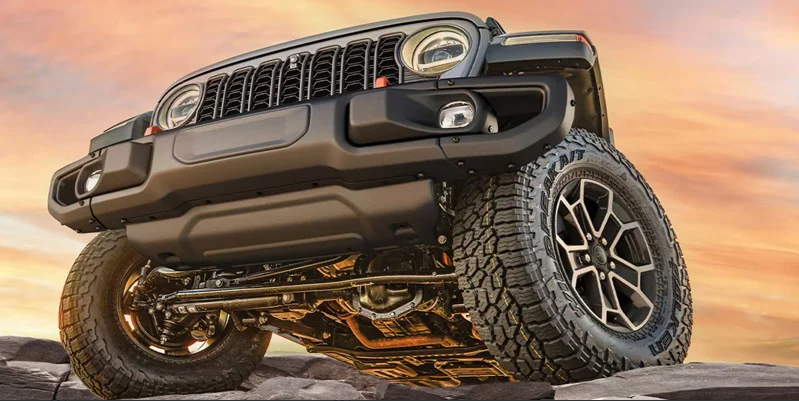
A photo of a 2026 Jeep Gladiator focused primarily on the front tires.

Signs Your Tires Need Replacement: A Guide for Upstate New York Jeep Drivers

Your tires are one of the most important points of contact between your vehicle and the road. For Jeep drivers in Upstate New York, that contact becomes especially important as changing weather brings rain, snow, ice, freezing temperatures, and uneven road conditions. Knowing when your tires need replacement can help you prepare for the season and maintain the traction and handling your vehicle needs. more Whether you drive a Jeep Wrangler, Grand Cherokee, Compass, Cherokee, or another Jeep model, regular tire inspections are an important part of vehicle maintenance. If you notice worn tread, damage, vibration, or recurring pressure loss, it may be time to have your tires professionally inspected. Signs Your Tires May Need Replacement There are several signs that can indicate your tires are nearing the end of their useful life. One of the most obvious is worn tread. Tires are designed with treadwear indicators molded into the grooves. When the tread wears down to the level of these indicators, the tire has reached the replacement point. The National Highway Traffic Safety Administration recommends replacing tires when tread depth reaches 2/32 of an inch. Visible damage is another reason to have your tires checked. Cuts, cracks, bulges, punctures, or other abnormalities can indicate damage that may compromise the tire. Uneven tread wear can also be a warning sign of improper inflation, alignment issues, worn suspension components, or other maintenance concerns. NHTSA recommends paying attention to tire pressure, treadwear, physical damage, and changes in tire performance. You should also pay attention to how your vehicle feels while driving. New or increasing vibration, unusual tire noise, difficulty maintaining tire pressure, or changes in handling can indicate that a tire or related component needs attention. These symptoms should not be ignored, particularly before a long trip or the start of winter driving. What Tread Depth Means for Your Tires Tread depth is measured in 32nds of an inch. New tires generally have considerably more tread than the legal minimum, while a tire at 2/32 of an inch has reached the point where replacement is recommended. New York's vehicle inspection requirements specify a minimum tread depth of 2/32 of an inch in two adjacent major tread grooves showing the most wear, along with requirements concerning tire condition. For Upstate New York drivers, however, waiting until a tire reaches the minimum tread depth may not be the best approach. Snow, slush, and wet roads can place additional demands on tire traction. If your tires are significantly worn before winter arrives, having them inspected early gives you more time to determine whether replacement is appropriate for your driving conditions. Seasonal Tire Guidance for Upstate New York Upstate New York can experience substantial changes in road conditions throughout the year. Spring and fall can bring heavy rain and fluctuating temperatures, while winter can introduce snow, ice, slush, and freezing roads. Checking your tires before these seasonal changes can help you identify worn tread, pressure issues, or damage before conditions become more challenging. For winter driving, consider the type of tire installed on your vehicle and the conditions you regularly encounter. All-season tires can be appropriate for many drivers, but winter or snow tires are designed specifically for cold-weather traction. If you choose winter tires, follow your vehicle and tire manufacturer's recommendations for tire size, load rating, and fitment. Tire manufacturers and vehicle manufacturers may also have specific guidance regarding mixing tire types and installing winter tires in sets. It is also important to check tire pressure as temperatures change. Tire pressure can fluctuate with temperature, so use the vehicle manufacturer's recommended cold tire pressure and check your tires regularly. If your vehicle is equipped with a Tire Pressure Monitoring System, pay attention to warning indicators and address pressure concerns promptly. NHTSA recommends checking tire pressure at least monthly along with tread condition and tire damage. Jeep-Specific Tire Considerations Jeep vehicles can be used for everything from everyday commuting to trail driving and outdoor recreation, so tire selection should match the vehicle and how it is driven. A Jeep Wrangler owner who regularly travels on unpaved roads may have different tire considerations than someone who primarily drives a Jeep Compass on paved roads around town. When replacing Jeep tires, consider the original equipment tire size, load requirements, speed rating, drivetrain configuration, and the type of driving you regularly do. Changing tire size or tire type can affect handling, clearance, road noise, fuel economy, and other characteristics. If you are considering a different tire setup, it is a good idea to discuss the application with a qualified tire professional first. Jeep four-wheel-drive and all-wheel-drive systems also make consistent tire selection and maintenance particularly important. Differences in tire size, tread, wear, or inflation can affect how the vehicle operates. Follow the recommendations in your owner's manual and have your tires inspected if you notice uneven wear or changes in handling. When Should You Have Your Tires Inspected? A tire inspection is worthwhile whenever you notice unusual wear, damage, vibration, pressure loss, or changes in handling. It is also smart to check your tires before major seasonal changes and before extended road trips. Regular inspections can identify problems before they become more significant and help you determine whether your tires are ready for the conditions ahead. For Jeep owners looking for tire service in Richfield Springs, the service department at Griffith Chrysler Dodge Jeep Ram provides maintenance and repair support for Chrysler, Dodge, Jeep, and Ram vehicles. The dealership's service center has trained technicians and offers tire-related maintenance along with other vehicle services. Get Your Tires Ready for the Road Don't wait for a tire problem to become a roadside emergency. Check your tread depth, inspect for visible damage, monitor tire pressure, and pay attention to changes in how your Jeep drives. If you are unsure about your tire condition or need help determining whether replacement is appropriate, a professional inspection can provide a clearer picture. Drivers can contact Griffith Chrysler Dodge Jeep Ram's service department at 315-977-2008 to discuss tire service or schedule an appointment. The dealership is located at 3144 U.S. 20 in Richfield Springs, NY.

Brake Repair Services in Richfield Springs, NY 

Expert Brake Repair Services in Richfield Springs, NY

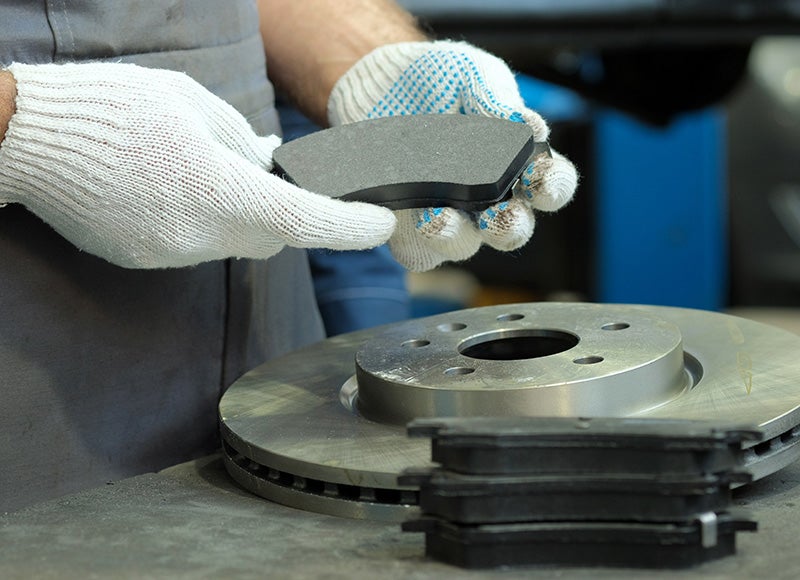
Griffith CJDR in Richfield Springs, NY provides professional brake repair services. Proper brake function is a necessary part of vehicle safety and performance. Regular maintenance ensures that a vehicle can stop within a safe distance. Owners are encouraged to contact the dealership to receive more information or to schedule an inspection. more Read the rest of this entry Why Brake Repair is Necessary for Vehicle Safety Brakes are a primary safety feature of every vehicle. Parts such as pads and rotors experience wear during normal operation. If these parts are not replaced, the ability to stop the vehicle can decrease. Regular service prevents damage to other parts of the braking system. Keeping brakes in good condition is one of the most important aspects of vehicle ownership. Indicators of Required Brake Service There are several signs that a vehicle needs brake repair. These signs include high-pitched noises or grinding sounds when the brakes are used. A brake pedal that feels soft or a steering wheel that shakes during stopping are also indicators. If the dashboard light for the brakes turns on, a technician should inspect the system. Griffith CJDR can identify these issues to help maintain vehicle reliability. The Brake Inspection and Repair Process The technicians at Griffith CJDR perform a complete check of the brake system. This includes looking at the pads, rotors, and calipers. They also check the level and quality of the brake fluid. Service may involve installing new pads or resurfacing the rotors. Using parts that meet the original equipment standards helps maintain the performance of the vehicle. Professional Automotive Care in Richfield Springs, NY Choosing a qualified service center is important for proper maintenance. The staff at Griffith CJDR has the training to work on Chrysler, Dodge, Jeep, and Ram vehicles. The service center is located in Richfield Springs, NY for the convenience of local drivers. Regular brake maintenance helps keep a vehicle operating safely for a long time. Griffith CJDR in Richfield Springs, NY is available to provide these services.

Oil Change in Griffith Chrysler Dodge Jeep Ram dealership

Why Regular Oil Changes Are Important for Your Vehicle

Regular oil changes are a basic part of car maintenance at Griffith CJDR in Richfield Springs, NY. Clean oil helps an engine run without problems, and it ensures that parts stay lubricated. Over time, the oil in a car like a Jeep Grand Cherokee breaks down and becomes less effective. If you do not change the oil on time, your engine may suffer from more wear and tear. more Read the rest of this entry The Function of Motor Oil Fresh oil reduces friction between moving parts, which helps stop the engine from getting too hot. It also collects dirt and debris that build up during daily use. When oil is old, it can turn into sludge and lose the ability to protect the engine. Technicians at our dealership use high quality oil to ensure your car stays in good shape. Maintaining Vehicle Value A vehicle is a large investment, and regular service helps keep its resale value high. Consistent maintenance can make an engine last longer, so it is a good idea to follow a service plan. Chrysler vehicles like the Pacifica and Voyager are designed for long term use, but they still need routine care. Neglecting this task can lead to engine problems that are expensive to fix. When to Schedule Service The time between oil changes depends on the model, your driving style, and the oil type used. Many new cars have a system that shows when oil life is low. You can check the owner manual or talk to our team to find the right schedule for your vehicle. We offer online tools to make it easy to book a visit for your 4-cylinder or 6-cylinder engine. Regular oil changes are a simple way to keep your car reliable. Griffith CJDR in Richfield Springs, NY provides expert maintenance for many different makes and models. If you drive a Chrysler Pacifica or another vehicle, our team can help you maintain it. Please contact Griffith CJDR to schedule your next service appointment.