




Your Dodge was built for performance — no matter if you’re driving a Charger Scat Pack, a Durango SRT, or a Hornet. But all that power means your braking system works hard every single time you hit the road. Staying on top of brake repair is one of the most important things you can do to keep your vehicle safe and performing the way it was designed to.
For drivers in Richfield Springs, NY, understanding when and why brake service is necessary can save you money, prevent larger repairs down the road, and keep you and your passengers protected.
What Brake Repair Actually Involves
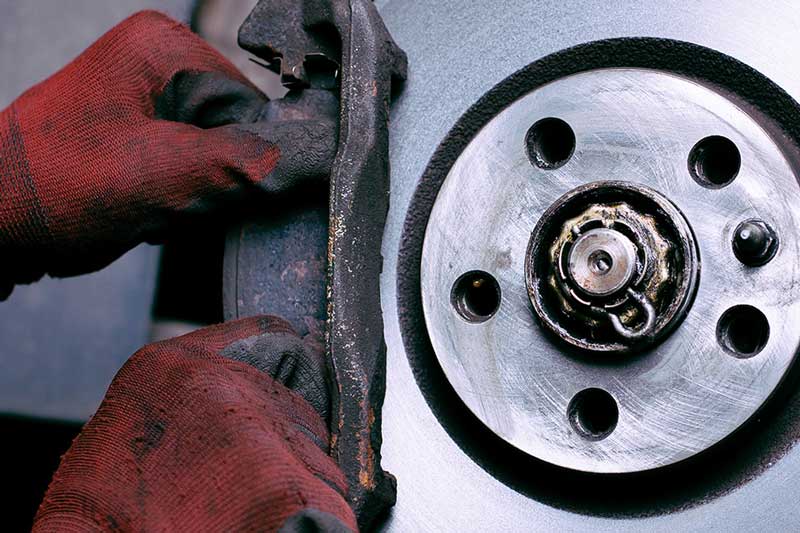
Brake repair isn’t just about replacing worn pads. A thorough brake inspection looks at the entire system, including the rotors, calipers, brake lines, and brake fluid. Any one of these components can affect how quickly and reliably your vehicle comes to a stop.
Routine brake service for a Dodge typically includes inspecting pad thickness, checking rotor condition for wear or warping, and testing the brake fluid for contamination or low levels. Catching small issues early prevents them from becoming costly replacements later.
Signs Your Dodge May Need Brake Repair
Your Dodge will often give you a warning before a brake problem becomes serious. One of the most common is a high-pitched squealing sound when you press the brake pedal, which usually indicates that the brake pads have worn down to their wear indicators.
You might also notice a grinding sensation, a soft or spongy pedal feel, or vibrations when braking. If your vehicle pulls to one side when stopping, that can point to uneven brake pad wear or a sticking caliper. Any of these symptoms are a good reason to schedule brake repair as soon as possible.
How Often Should You Schedule Routine Brake Service for a Dodge?
Routine brake service for a Dodge doesn’t follow a one-size-fits-all timeline. How often you need service depends on your driving habits, the model you drive, and the conditions you drive in. Performance-oriented models like the Charger Scat Pack can put additional stress on brakes due to their higher horsepower output.
As a general rule, having your brakes inspected every 12 months or 12,000 miles is a solid starting point. However, if you frequently drive in stop-and-go traffic, tow heavy loads, or do any spirited driving, more frequent checks are a smart idea.
Why Proper Brake Maintenance Protects Your Investment
Dodge vehicles are built with performance and durability in mind, but even the most capable vehicle needs consistent maintenance to stay reliable. Neglecting brake repair can lead to rotor damage, which is significantly more expensive to fix than replacing brake pads on schedule.
Routine brake service for a Dodge also helps maintain the driving feel and responsiveness that make these vehicles so enjoyable. Staying proactive about maintenance is always more affordable, and it helps preserve the long-term value of your vehicle.
Trust a Qualified Service Center for Brake Repair
When it comes to brake repair on your Dodge, working with a service center that knows these vehicles makes a real difference. Technicians who are familiar with Dodge models understand the specific requirements for each trim and powertrain, and they use parts that meet or exceed manufacturer standards.
Drivers throughout Richfield Springs, NY have access to qualified service professionals who can handle everything from a routine brake inspection to a full brake system repair. Don’t wait until a small issue turns into a safety concern — schedule your service when you first notice any changes in your vehicle’s braking performance.
Keep Your Dodge Stopping as Well as It Goes
If it’s been a while since your last brake inspection, now is a great time to get it checked out. Routine brake service for a Dodge is a small investment that pays off in safety, performance, and peace of mind every time you get behind the wheel. Visit Griffith CJDR online at griffithcdjr.com to schedule your next service appointment.
Connect with us


- 2026 Chrysler Voyager
- 2026 Dodge Durango
- 2026 Jeep Compass
- 2026 Jeep Gladiator
- 2026 Jeep Wrangler
- 2026 Model Year
- 2026 RAM 2500
- Brake Service
- Griffith Chrysler Dodge Jeep Ram Service
- New Inventory
- Pre-Owned Inventory
- Richfield Springs Chrysler Dealer
- Richfield Springs Chrysler Service
- Richfield Springs Jeep Dealer
- the 2026 Chrysler Pacifica
- Uncategorized