



Your tires are one of the most important points of contact between your vehicle and the road. For Jeep drivers in Upstate New York, that contact becomes especially important as changing weather brings rain, snow, ice, freezing temperatures, and uneven road conditions. Knowing when your tires need replacement can help you prepare for the season and maintain the traction and handling your vehicle needs.
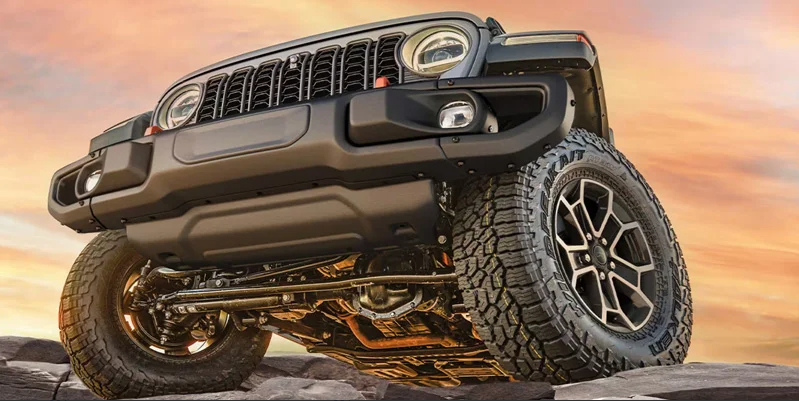
Whether you drive a Jeep Wrangler, Grand Cherokee, Compass, Cherokee, or another Jeep model, regular tire inspections are an important part of vehicle maintenance. If you notice worn tread, damage, vibration, or recurring pressure loss, it may be time to have your tires professionally inspected.
Signs Your Tires May Need Replacement
There are several signs that can indicate your tires are nearing the end of their useful life. One of the most obvious is worn tread. Tires are designed with treadwear indicators molded into the grooves. When the tread wears down to the level of these indicators, the tire has reached the replacement point. The National Highway Traffic Safety Administration recommends replacing tires when tread depth reaches 2/32 of an inch.
Visible damage is another reason to have your tires checked. Cuts, cracks, bulges, punctures, or other abnormalities can indicate damage that may compromise the tire. Uneven tread wear can also be a warning sign of improper inflation, alignment issues, worn suspension components, or other maintenance concerns. NHTSA recommends paying attention to tire pressure, treadwear, physical damage, and changes in tire performance.
You should also pay attention to how your vehicle feels while driving. New or increasing vibration, unusual tire noise, difficulty maintaining tire pressure, or changes in handling can indicate that a tire or related component needs attention. These symptoms should not be ignored, particularly before a long trip or the start of winter driving.
What Tread Depth Means for Your Tires
Tread depth is measured in 32nds of an inch. New tires generally have considerably more tread than the legal minimum, while a tire at 2/32 of an inch has reached the point where replacement is recommended. New York’s vehicle inspection requirements specify a minimum tread depth of 2/32 of an inch in two adjacent major tread grooves showing the most wear, along with requirements concerning tire condition.
For Upstate New York drivers, however, waiting until a tire reaches the minimum tread depth may not be the best approach. Snow, slush, and wet roads can place additional demands on tire traction. If your tires are significantly worn before winter arrives, having them inspected early gives you more time to determine whether replacement is appropriate for your driving conditions.
Seasonal Tire Guidance for Upstate New York
Upstate New York can experience substantial changes in road conditions throughout the year. Spring and fall can bring heavy rain and fluctuating temperatures, while winter can introduce snow, ice, slush, and freezing roads. Checking your tires before these seasonal changes can help you identify worn tread, pressure issues, or damage before conditions become more challenging.
For winter driving, consider the type of tire installed on your vehicle and the conditions you regularly encounter. All-season tires can be appropriate for many drivers, but winter or snow tires are designed specifically for cold-weather traction. If you choose winter tires, follow your vehicle and tire manufacturer’s recommendations for tire size, load rating, and fitment. Tire manufacturers and vehicle manufacturers may also have specific guidance regarding mixing tire types and installing winter tires in sets.
It is also important to check tire pressure as temperatures change. Tire pressure can fluctuate with temperature, so use the vehicle manufacturer’s recommended cold tire pressure and check your tires regularly. If your vehicle is equipped with a Tire Pressure Monitoring System, pay attention to warning indicators and address pressure concerns promptly. NHTSA recommends checking tire pressure at least monthly along with tread condition and tire damage.
Jeep-Specific Tire Considerations
Jeep vehicles can be used for everything from everyday commuting to trail driving and outdoor recreation, so tire selection should match the vehicle and how it is driven. A Jeep Wrangler owner who regularly travels on unpaved roads may have different tire considerations than someone who primarily drives a Jeep Compass on paved roads around town.
When replacing Jeep tires, consider the original equipment tire size, load requirements, speed rating, drivetrain configuration, and the type of driving you regularly do. Changing tire size or tire type can affect handling, clearance, road noise, fuel economy, and other characteristics. If you are considering a different tire setup, it is a good idea to discuss the application with a qualified tire professional first.
Jeep four-wheel-drive and all-wheel-drive systems also make consistent tire selection and maintenance particularly important. Differences in tire size, tread, wear, or inflation can affect how the vehicle operates. Follow the recommendations in your owner’s manual and have your tires inspected if you notice uneven wear or changes in handling.
When Should You Have Your Tires Inspected?
A tire inspection is worthwhile whenever you notice unusual wear, damage, vibration, pressure loss, or changes in handling. It is also smart to check your tires before major seasonal changes and before extended road trips. Regular inspections can identify problems before they become more significant and help you determine whether your tires are ready for the conditions ahead.
For Jeep owners looking for tire service in Richfield Springs, the service department at Griffith Chrysler Dodge Jeep Ram provides maintenance and repair support for Chrysler, Dodge, Jeep, and Ram vehicles. The dealership’s service center has trained technicians and offers tire-related maintenance along with other vehicle services.
Get Your Tires Ready for the Road
Don’t wait for a tire problem to become a roadside emergency. Check your tread depth, inspect for visible damage, monitor tire pressure, and pay attention to changes in how your Jeep drives. If you are unsure about your tire condition or need help determining whether replacement is appropriate, a professional inspection can provide a clearer picture.
Drivers can contact Griffith Chrysler Dodge Jeep Ram’s service department at 315-977-2008 to discuss tire service or schedule an appointment. The dealership is located at 3144 U.S. 20 in Richfield Springs, NY.
Connect with us


- 2026 Chrysler Voyager
- 2026 Dodge Durango
- 2026 Jeep Compass
- 2026 Jeep Gladiator
- 2026 Jeep Wrangler
- 2026 Model Year
- 2026 RAM 2500
- Brake Service
- Griffith Chrysler Dodge Jeep Ram Service
- New Inventory
- Pre-Owned Inventory
- Richfield Springs Chrysler Dealer
- Richfield Springs Chrysler Service
- Richfield Springs Jeep Dealer
- the 2026 Chrysler Pacifica
- Tire Service
- Uncategorized